


Written by Regina Sung
Last November, we announced Nucleic Sensing Systems (NS2) as the inaugural winner of the Water Innovation Hub's Innovation Challenge, selected from a global pool of applicants for their autonomous, continuous eDNA and RNA detection technology. They will be deploying a biosensor that functions as a “genetic smoke alarm” that monitors for harmful biological organisms in real time, without the lag of traditional lab-based testing.
Six months in, we are proud to share that the work is well underway, and momentum is building toward a full-scale field deployment later this year.
Getting Closer to the Infrastructure
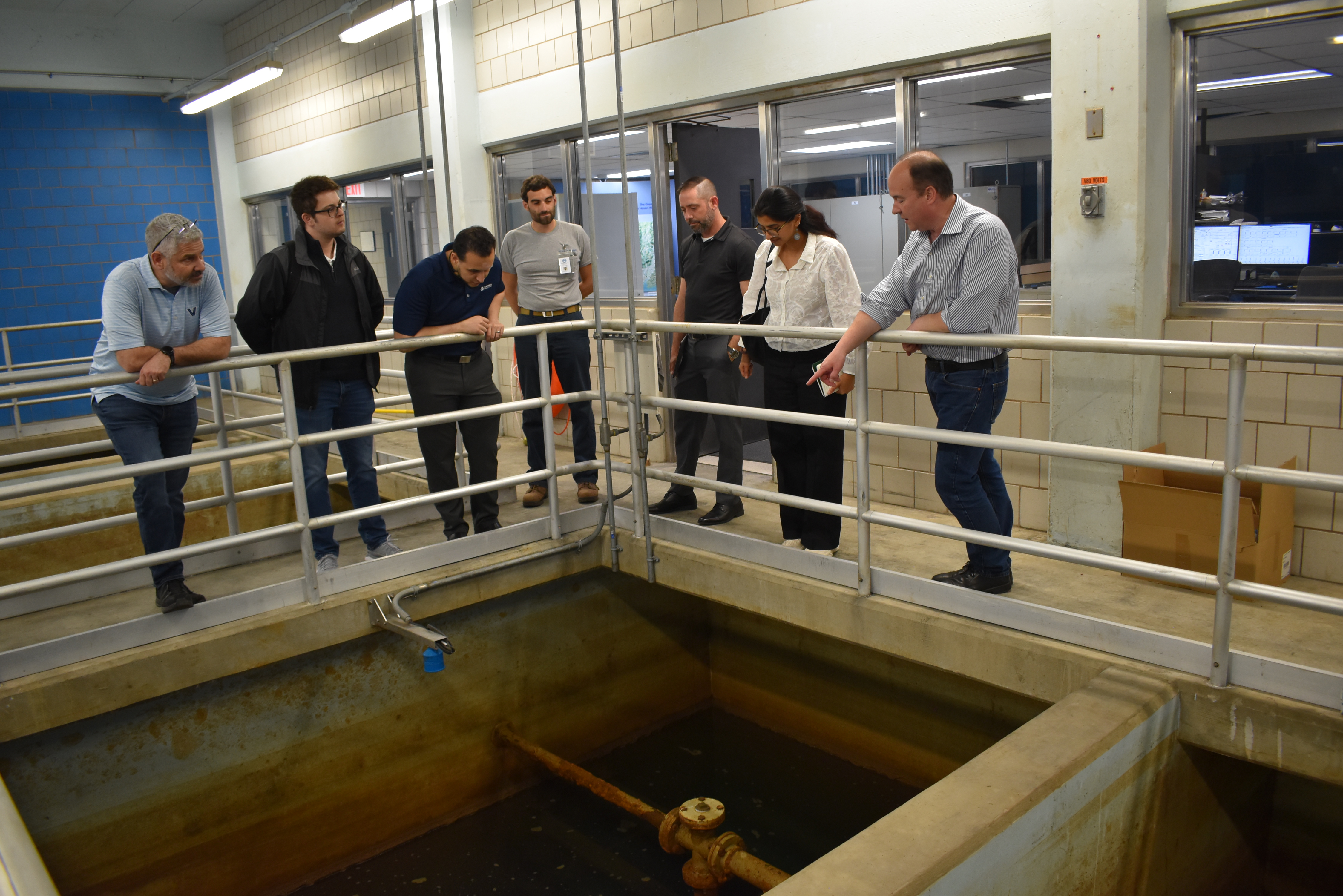
To support the pilot and deepen our own ground-level understanding of water treatment operations, the Water Innovation Hub team recently visited RWA's West River Treatment Plant alongside our partners at Continua. Guided by Head of Operations Jim Hill, Director of Engineering Victor Benni, and Aquatic Resource Scientist William Henley, we got a firsthand look at what it truly takes to treat drinking water at scale. The visit surfaced the infrastructure, the operational decisions, and the layers of complexity that operators navigate every single day.
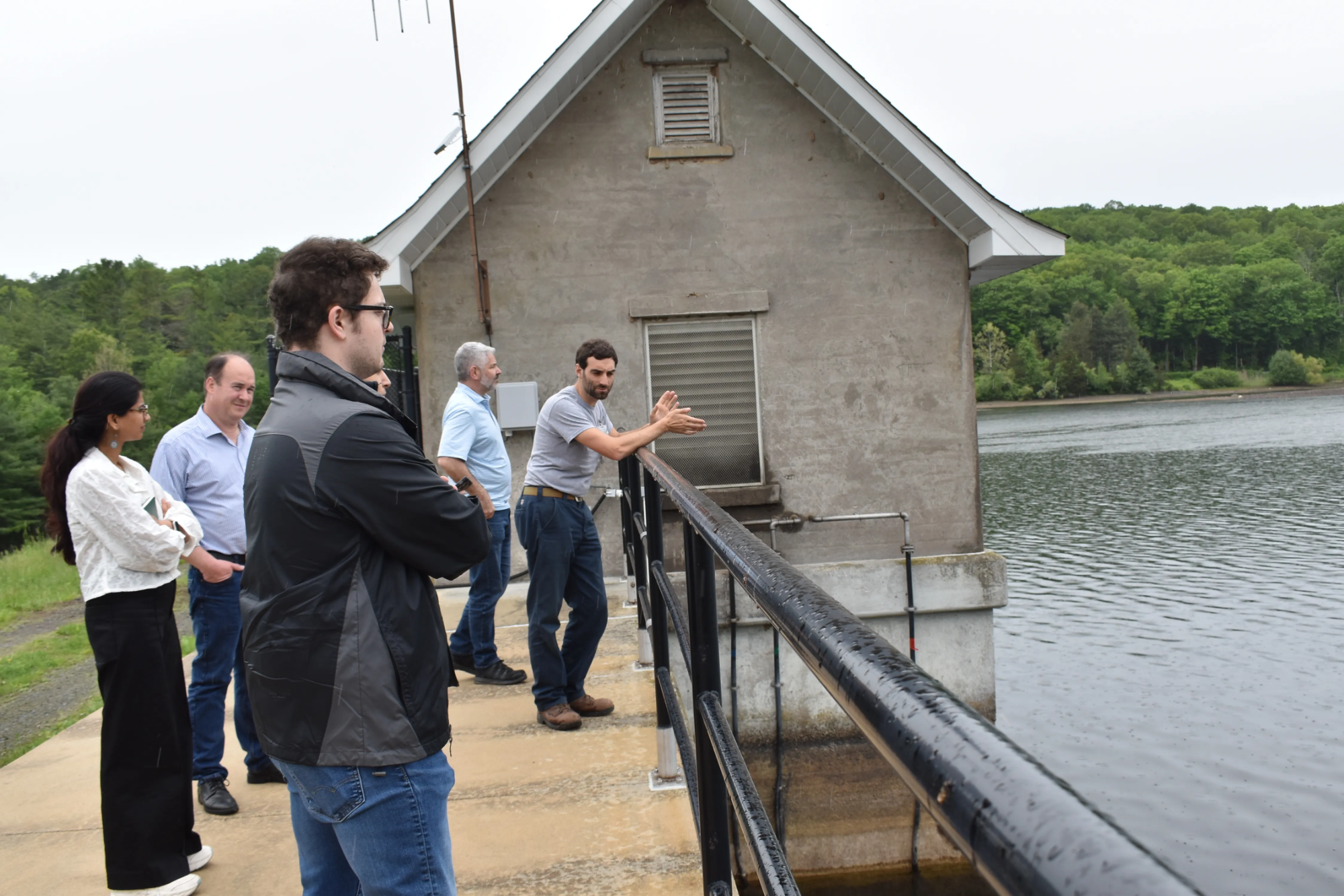
One of the Water Innovation Hub's core commitments is to ensure the startups we support are building technology that can survive contact with the real world, and understanding the operator's perspective is a big part of how we deliver on that.
A Pilot That Matters
Through the Water Innovation Hub's Innovation Challenge, NS2 secured their first paid pilot with the South Central Connecticut Regional Water Authority. For an early-stage company, the opportunity to validate technology in a real operating environment can be a critical step toward commercialization. Accelerating this crucial stage is exactly what the Water Innovation Hub was built to do.
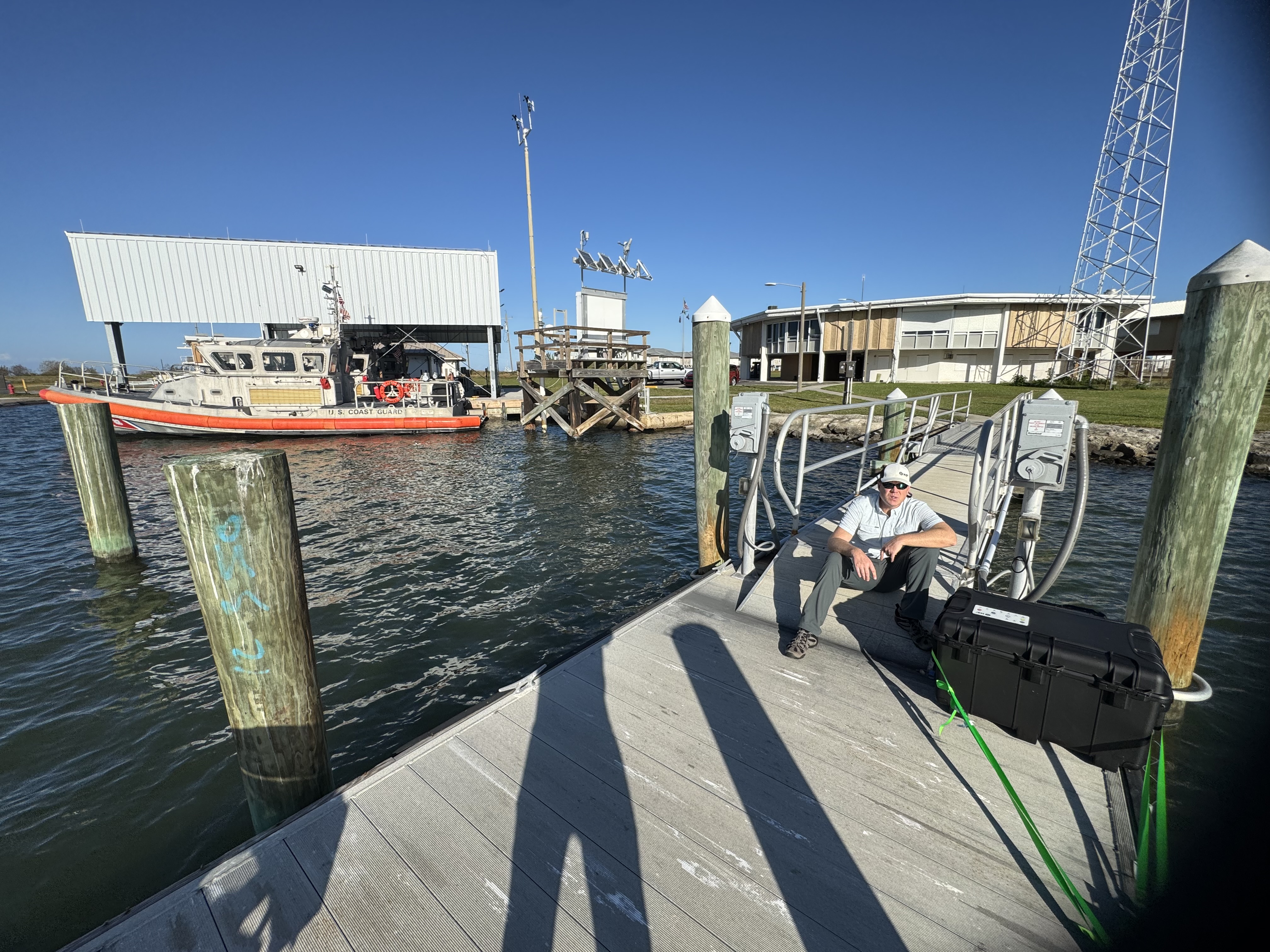
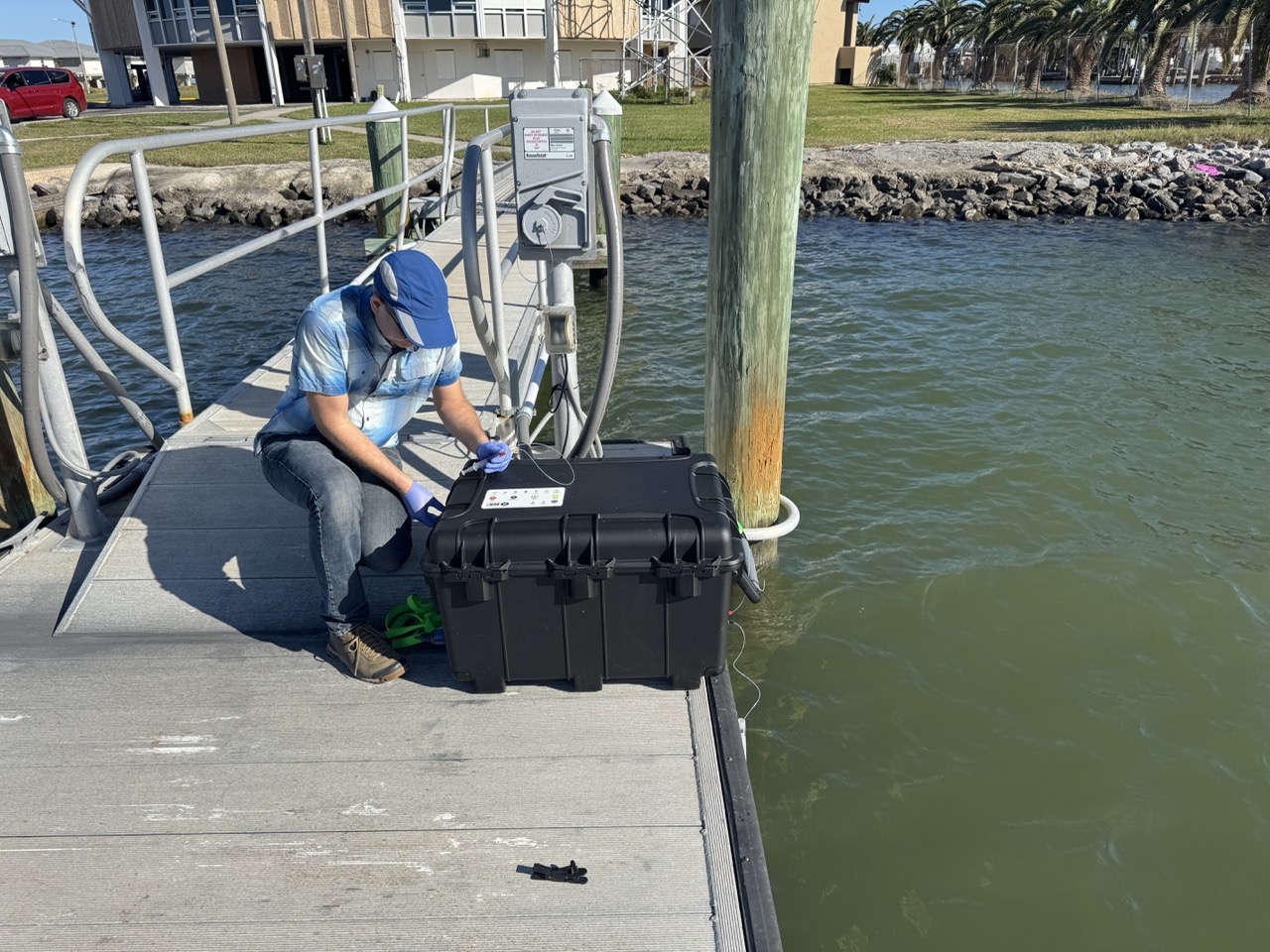
The pilot will test NS2's Tracker across several dimensions critical to utility operations: continuous autonomous monitoring, real-time eDNA detection of priority organisms including harmful algal blooms, and integration with existing utility data infrastructure. The team has already made meaningful progress on the technical groundwork. The pilot is focused on a targeted set of biological species of concern identified by RWA. Through a combination of lab work and field pilots, NS2 is developing and validating the genetic primers and probes needed to detect those species accurately, with the goal of moving toward live testing of RWA's water and local water samples. For RWA, a system serving 430,000 consumers across 15 communities and treating 45 million gallons of water every single day, early biological detection is a meaningful shift in how they can protect public health and manage operations proactively.
NS2's Growing Momentum
Beyond the RWA pilot, NS2 has been having a strong year. In January, NS2 also completed their first field deployment at the Mississippi Aquarium and Barataria Bay in Louisiana, with results from the deployment now beginning to surface. More recently, they completed and advanced to the next phase VentureWell Ocean Enterprise Accelerator program. NS2 has raised $1.3 million to date through federal SBIR grants.
What Comes Next
We are gearing up for full-scale field deployment at RWA later this year, a milestone that will put NS2's Tracker directly into active drinking water infrastructure and demonstrate what continuous biological monitoring can look like in practice.
Stay tuned. There is a lot more to come.
Interested in learning more about the Water Innovation Hub or the 2026 Xylem Innovation Challenge? Reach out at aish@climatehaven.tech