


By: Maham Babar
On July 14, ClimateHaven and The Water Council hosted “Path to Piloting: What Water Utilities Look for in Startups,” a candid conversation about helping new technologies move from promising concepts into real utility operating environments.
Moderated by Aishwarya Kuruttukulam, who leads ClimateHaven’s Water Innovation Hub, the webinar brought together two utility leaders with extensive experience evaluating and piloting emerging technologies: Jay Bernas, General Manager and CEO of the Hampton Roads Sanitation District, and Jim Hill, Head of Operations at the Regional Water Authority.
Their conversation offered practical guidance for startups but it also demonstrated the important role that partnerships among ClimateHaven, The Water Council and forward-looking utilities can play in accelerating water innovation. Here are our key takeaways from the conversation.
Perspectives From Two Utility Leaders
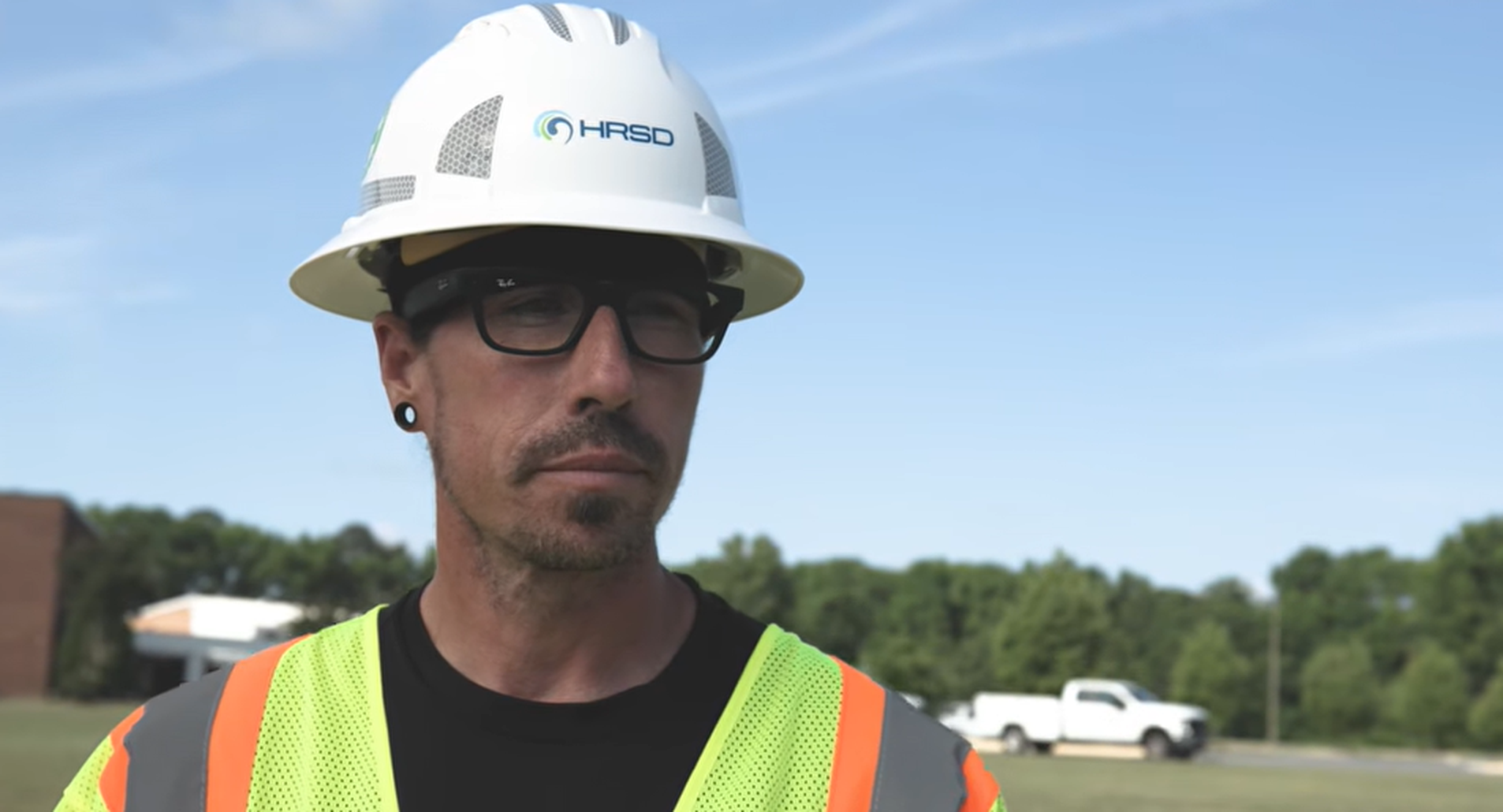
Jay leads the Hampton Roads Sanitation District, or HRSD, one of the largest wastewater utilities in the United States. The organization serves approximately two million people across a 5,000-square-mile area in Virginia. HRSD has built a strong culture of internal innovation, with 12 active patents, six patents pending and participation in 32 active Water Research Foundation projects.
Jim oversees operations at the Regional Water Authority, a founding partner of ClimateHaven’s Water Innovation Hub. Through the partnership, RWA opens its infrastructure and deep utility expertise to startups, giving them a rare opportunity to understand real operational challenges, test their technologies in the field, and learn directly from a potential customer.
For both utilities, innovation begins with a clearly defined need. As Jay explained, “Innovation is the key to affordability,” reflecting HRSD’s focus on using new technologies to keep costs low for ratepayers. Jim similarly emphasized that startups must “bring technology that has value to the organization,” whether by “improving public safety, reducing costs or adding resiliency.”
Delivering that value requires startups to know how to engage with a utility. They must clearly understand the problem they are solving, demonstrate how their technology can perform at scale, build a credible business case, and account for deployment realities such as energy use, regulatory testing, procurement, and integration.
Crew Carbon: A Model For Productive Utility Engagement
One of the webinar’s clearest examples of a successful startup–utility relationship was Crew Carbon, a company ClimateHaven has supported through its platform.
Crew Carbon approached HRSD with a wastewater alkalinity enhancement technology using calcium carbonate. Their approach removes carbon from the waste water, enabling revenue through carbon credits.
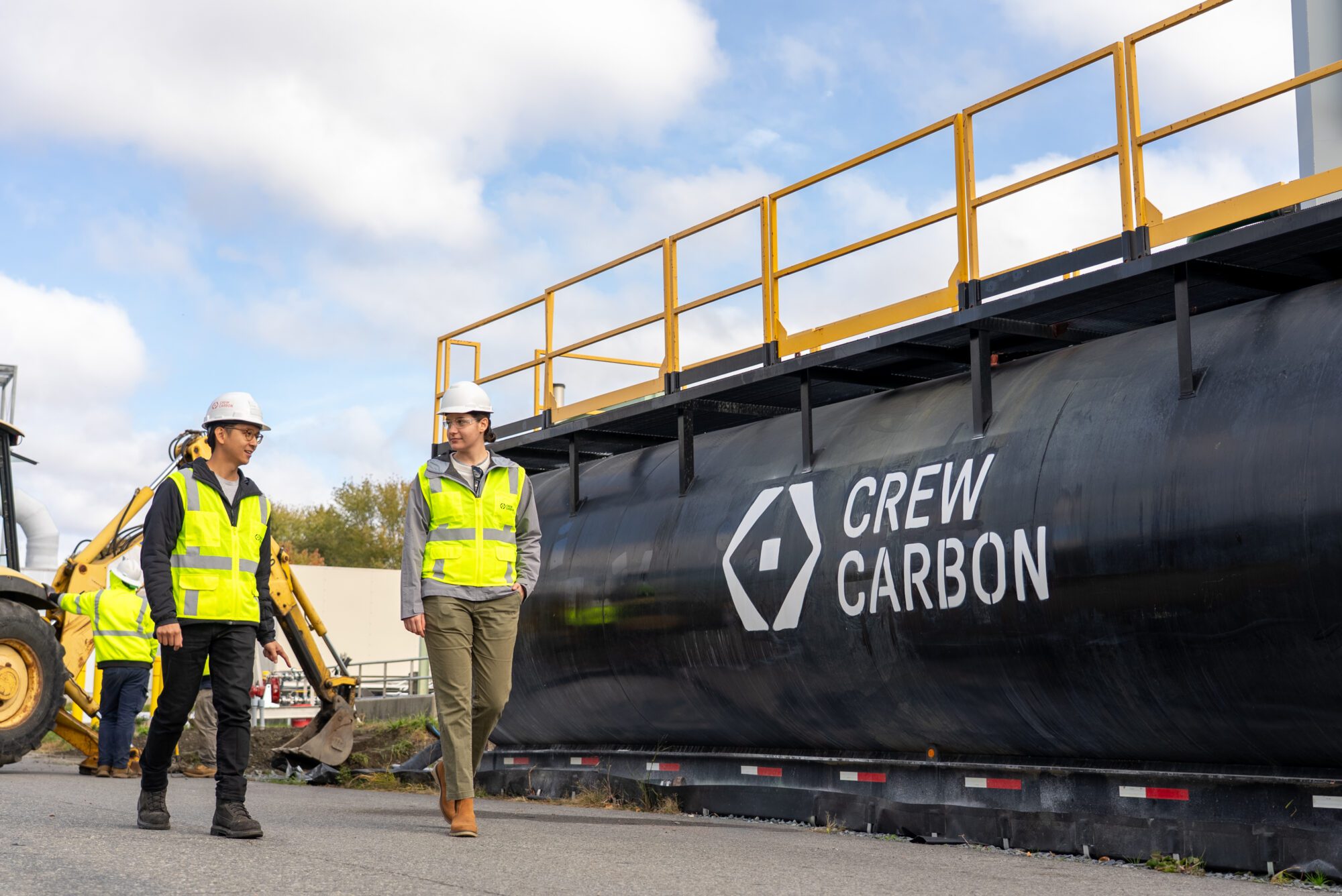
The technology caught HRSD’s attention, but Jay explained that Crew Carbon’s approach to collaboration was equally important. The team was open to mentoring, listened to operators and adapted its work based on utility feedback. That willingness to engage distinguished Crew Carbon from other companies that were less receptive to input from experienced utility staff.
HRSD saw enough potential to issue a formal request for proposals, which Crew Carbon ultimately won.
Testing then revealed an additional opportunity. By combining Crew Carbon’s technology with HRSD’s INDENSE hydrocyclone process, the utility observed improved settleability. The combined approach could potentially help HRSD meet a 2032 regulatory deadline while avoiding a capital investment estimated at approximately $400 million. At the time of the webinar, HRSD was still evaluating the results, but Jay said the indicators were encouraging.
The relationship also illustrates the broader value exchange that can make no-cost pilots worthwhile for startups. While the startup contributes its technology and resources, the utility can provide operating data, technical validation, references and introductions.
Jay described personally introducing Crew Carbon to the general manager of a utility in Colorado. That connection led to an installation opportunity that may be supported by a state grant.
For an early-stage company, this type of trusted introduction can be far more valuable than a traditional sales call.
Creating Credible Pathways To Piloting
Procurement remains one of the largest barriers to utility innovation. At HRSD, spending more than approximately $10,000 can trigger a formal procurement process that may take three to six months. Sole-sourcing an unfamiliar technology is also difficult to justify.
For that reason, Jay and Jim identified no-cost pilots as one of the clearest ways for startups to begin working with utilities. They also suggested that technologies at Technology Readiness Levels 4 through 6 are often well positioned for collaboration: developed enough to test in a realistic environment, but still early enough to benefit from utility expertise.
Trusted networks are equally important. As Jay explained, “I don’t take any sales calls. It all goes to my junk folder. But if a GM or CEO from another utility says, ‘I’ve got this really cool technology that you should check out,’ I’m going to take that call.” Incubators and innovation organizations can build similar credibility by vetting startups before introducing them to potential utility and pilot partners.
This is where collaboration between ClimateHaven and The Water Council becomes especially valuable. By combining startup support, sector expertise, utility relationships and industry networks, the two organizations can help founders refine their technologies and approach utilities with a more compelling and realistic proposition.
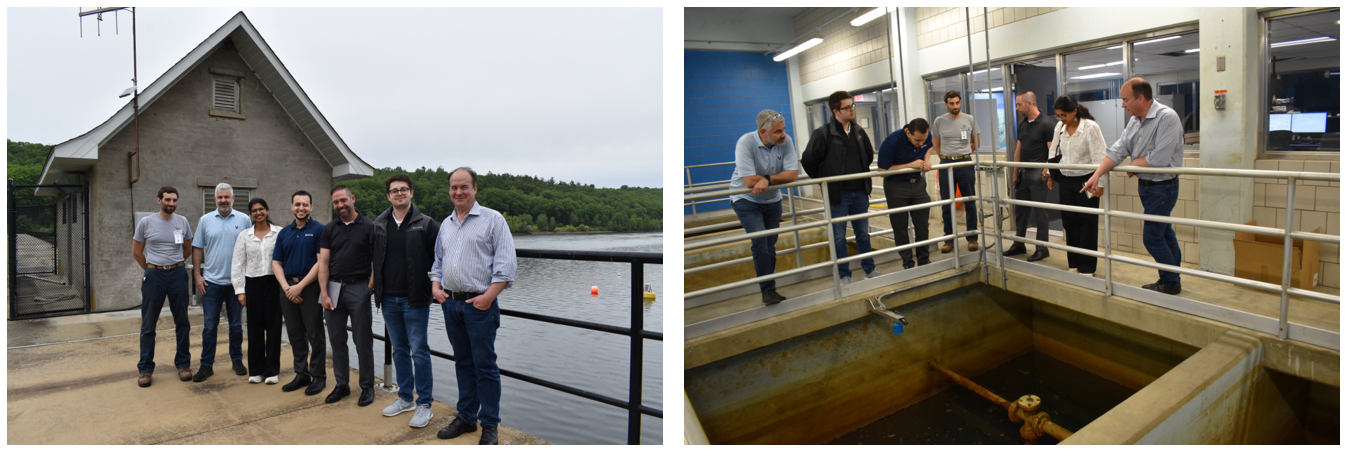
ClimateHaven’s Water Innovation Hub, supported by partners including RWA, provides a place for startups to engage directly with utility challenges. The Water Council contributes deep experience scaling water technology companies through their BREW accelerator.
Innovation Built On Trust
The webinar made clear that a successful pilot is not just a technical experiment. It is a relationship built on shared expectations, operator involvement, credible data and a willingness to learn.
Crew Carbon’s work with HRSD shows what can happen when a strong technology is paired with openness, mentorship and utility collaboration. It also reflects the type of pathway ClimateHaven and The Water Council are working to create: one that helps startups move beyond the laboratory, demonstrate value in real operating conditions and build the relationships needed for wider adoption.
For water entrepreneurs, the message was straightforward: understand the utility’s needs, arrive prepared and treat operators as partners in the innovation process.